Crawl Space Insulation vs. Encapsulation: What’s Best for Pflugerville, TX?
admin-hrfoam
December 13th, 2025
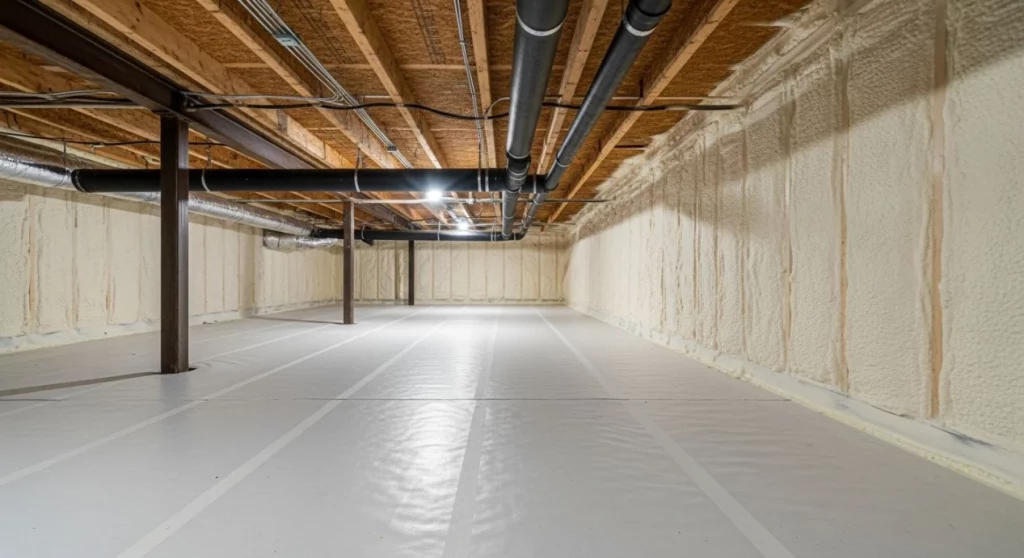
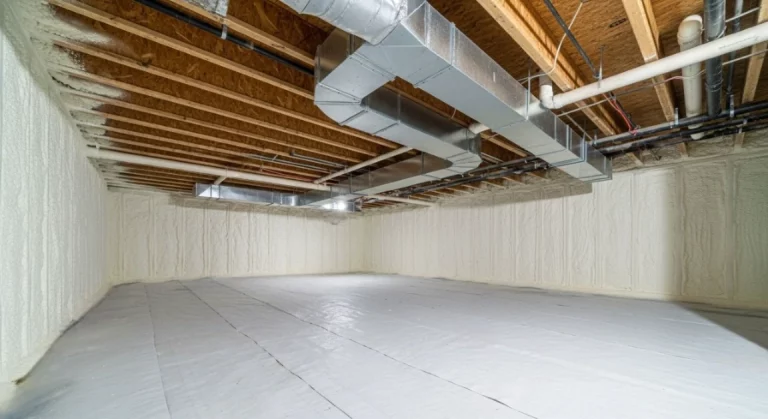
For property owners, crawl space encapsulation in Pflugerville, TX typically offers superior long-term protection and efficiency compared to standard insulation alone. The high humidity and heat characteristic of Central Texas often cause traditional vented crawl spaces to fail, leading to moisture buildup, mold growth, and sagging fiberglass. Encapsulation treats the crawl space as part of the home’s conditioned envelope, effectively blocking ground moisture and outdoor humidity from entering the structure.
While insulation is a component of temperature control, it cannot stop the moisture issues prevalent in this region. Choosing the right method impacts indoor air quality, structural integrity, and monthly energy bills. This guide breaks down the technical differences, benefits, and practical considerations to help you make the right choice for your foundation.
Understanding the Core Difference
Many homeowners confuse insulation with encapsulation, but they serve different primary functions. Insulation focuses on thermal resistance, which slows the transfer of heat between the floor and the ground. Encapsulation focuses on moisture management and air sealing.
In the Pflugerville climate, controlling moisture is often more urgent than controlling heat transfer. A Department of Energy report indicates that in hot, humid climates, controlling moisture movement is fundamental to preventing structural damage and maintaining energy efficiency.
Comparison: Vented Insulation vs. Encapsulation
The following table outlines how these two approaches compare when applied to homes in the Central Texas area.
Feature
Vented Crawl Space + Insulation
Full Encapsulation
Primary Goal
Slow heat loss/gain via floor batts.
Control moisture and air infiltration.
Humidity Control
Low. Vents allow humid air inside.
High. Vents are sealed; a vapor barrier is used.
Mold Risk
High. Fiberglass absorbs moisture.
Low. Humidity levels are kept in check.
Pest Deterrent
Poor. Rodents often nest in fiberglass.
Strong. Sealed liner creates a physical barrier.
Energy Efficiency
Moderate (if insulation stays dry).
High. Reduces load on HVAC systems.
Initial Cost
Lower.
Higher.
The Role of Standard Insulation
Standard crawl space insulation usually involves installing fiberglass batts between the floor joists. In a perfect environment, this creates a thermal blanket that keeps floors warm in winter and cool in summer. For this to work, spray foam insulation in Pflugerville, TX must remain dry and fluffy.
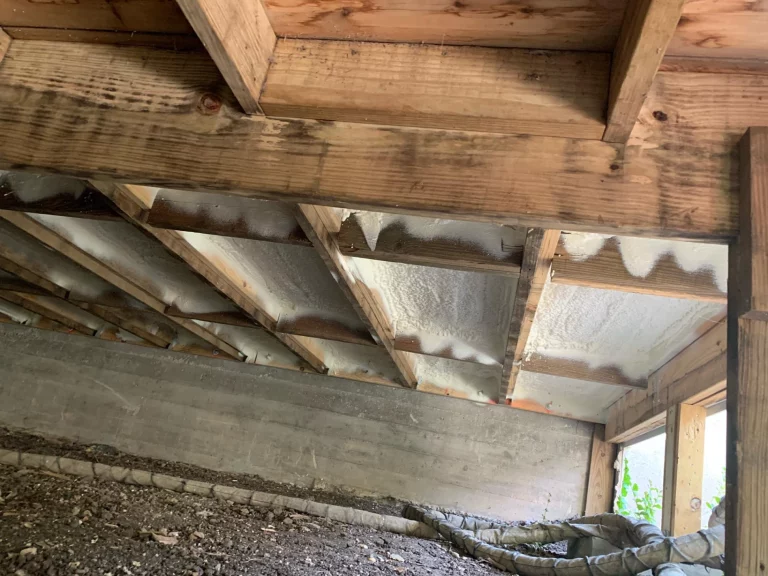
In Texas, vented crawl spaces allow hot, humid outdoor air to enter the area under the home. When this warm air meets cool HVAC ducts or floor joists, condensation forms. The fiberglass insulation acts like a sponge, absorbing this water. Once wet, fiberglass loses its insulating value and becomes heavy, often falling out of the joists.
Bonus Tip: If the current insulation is sagging or looks gray and dirty, it usually indicates air filtration problems or moisture damage.
Why Encapsulation Works in Texas
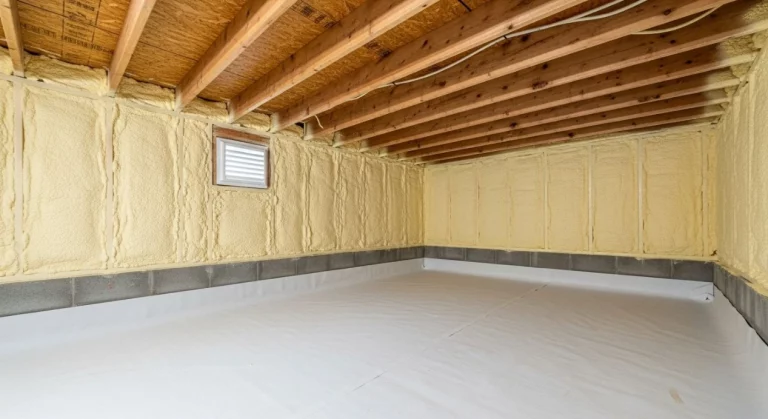
Encapsulation involves lining the crawl space floor and walls with a heavy-duty vapor barrier, sealing all vents, and often installing a dehumidifier. This process turns the dark, damp area under the house into a clean, dry space.
The Stack Effect
Understanding the “Stack Effect” explains why this matters. Air in a home moves upward. As warm air rises and escapes through the attic, it pulls replacement air from the lowest point of the house, the crawl space. Research by Advanced Energy has shown that up to 50% of the air on the first floor of a home comes directly from the crawl space. If that air is filled with mold spores or humidity, it negatively affects the living environment above.
Economic Impact
Beyond health, there is a financial incentive. By sealing the foundation, the air conditioner does not have to work as hard to remove humidity from the home. Data published by the Environmental Protection Agency suggests that controlling indoor moisture is the single most effective way to prevent biological pollutants, which can also lead to costly remediation bills later.
Things to Consider Before Making a Decision
Before choosing a path, evaluating the specific conditions of the property is necessary.
Current Water Intrusion: If there is standing water after rain, a drainage system must be installed before either insulation or encapsulation. Covering up a flood issue will only hide the damage until it rots the wood.
Budget vs. Longevity: Re-insulating a vented space is cheaper upfront but may require replacement every few years in humid climates. Encapsulation is a capital improvement that lasts for decades.
Termite Inspections: In Pflugerville, termite activity is a concern. A proper encapsulation system includes a clear “inspection gap” at the top of the foundation wall so pest control professionals can still check for tunnels.
Final Thoughts on Protecting Your Foundation
For the specific climate challenges in Pflugerville, encapsulation provides a defense that standard insulation cannot match. While the upfront investment is higher, the protection against wood rot, improved indoor air quality, and reduced energy strain usually make it the logical financial decision for homeowners planning to stay in their properties. Assessing the crawl space’s current condition and addressing water issues immediately prevents minor problems from becoming structural failures.
Get Professional Advice for Your Home
Determining the right solution requires a clear look at what is happening under your floorboards. H & R Spray Foam Insulation provides honest assessments to help Texas homeowners effectively address moisture and energy issues.
No, encapsulation stops the moisture that feeds mold, preventing new growth. However, existing mold must be physically removed or chemically treated before the liner is installed. Covering live mold is never a safe practice.
Does homeowners insurance cover these upgrades?
Typically, insurance covers sudden damage (like a burst pipe) but not maintenance issues, such as humidity control or gradual seepage. It is best to review the specific policy, but these upgrades are generally considered home maintenance expenses.
How long does the installation take?
For an average-sized home in Pflugerville, the process takes two to four days. This includes removing old debris, addressing drainage, sealing vents, and installing the liner and any necessary equipment.
Is a dehumidifier always required?
In the humid climate of Central Texas, a dehumidifier is highly recommended within an encapsulated space. Even with a vapor barrier, residual humidity must have a way to escape to maintain relative humidity below 60%.
Sources
Department of Energy – Information on insulation types and moisture control strategies for different climates.
Advanced Energy – Research regarding the Stack Effect and how crawl space air impacts the living space.
For property owners, crawl space encapsulation in Pflugerville, TX typically offers superior long-term protection and efficiency compared to standard insulation…


 ES
ES