 EN
EN 
Energy-Saving Tips: Boosting Efficiency with Fiberglass Insulation
Fiberglass insulation services improve home energy efficiency by creating a thermal barrier that slows the movement of heat. During cold…

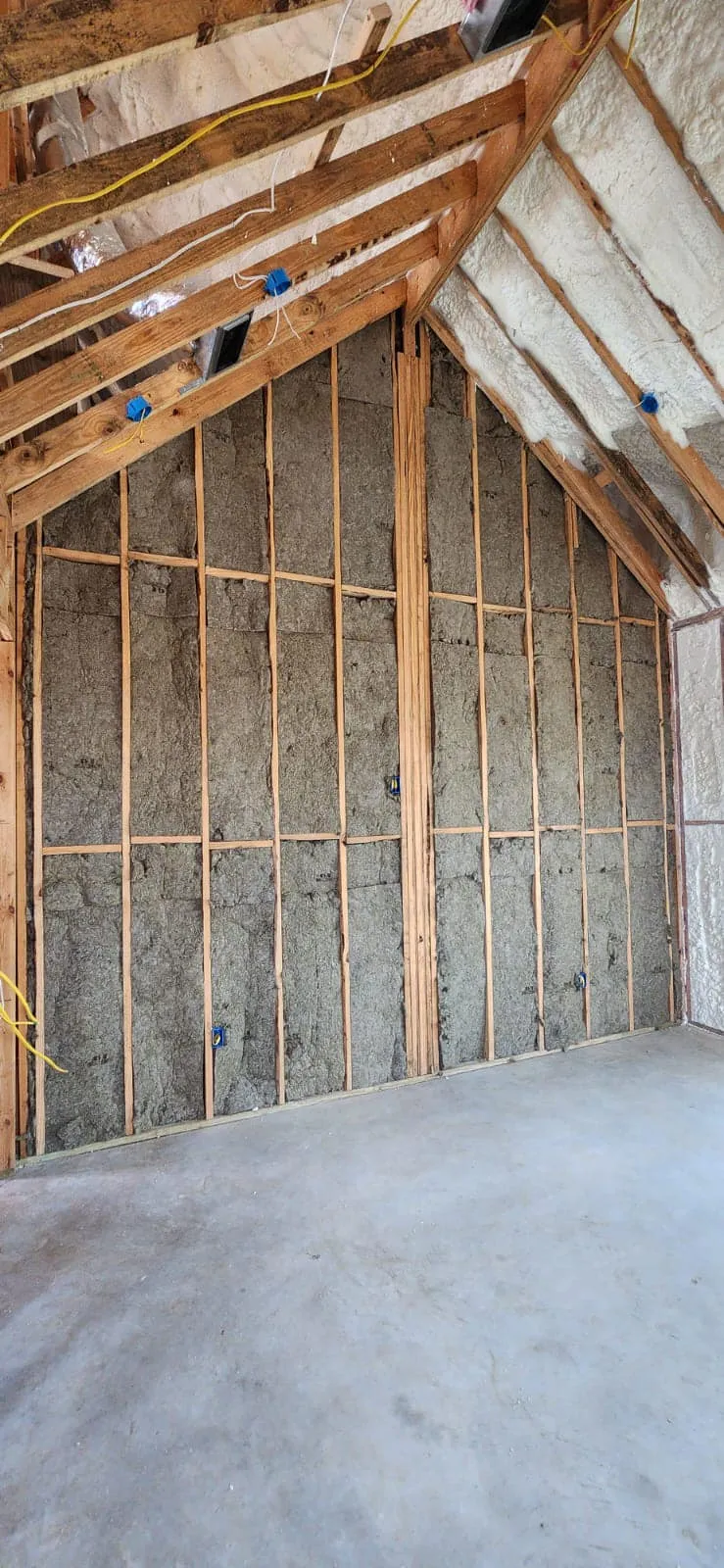
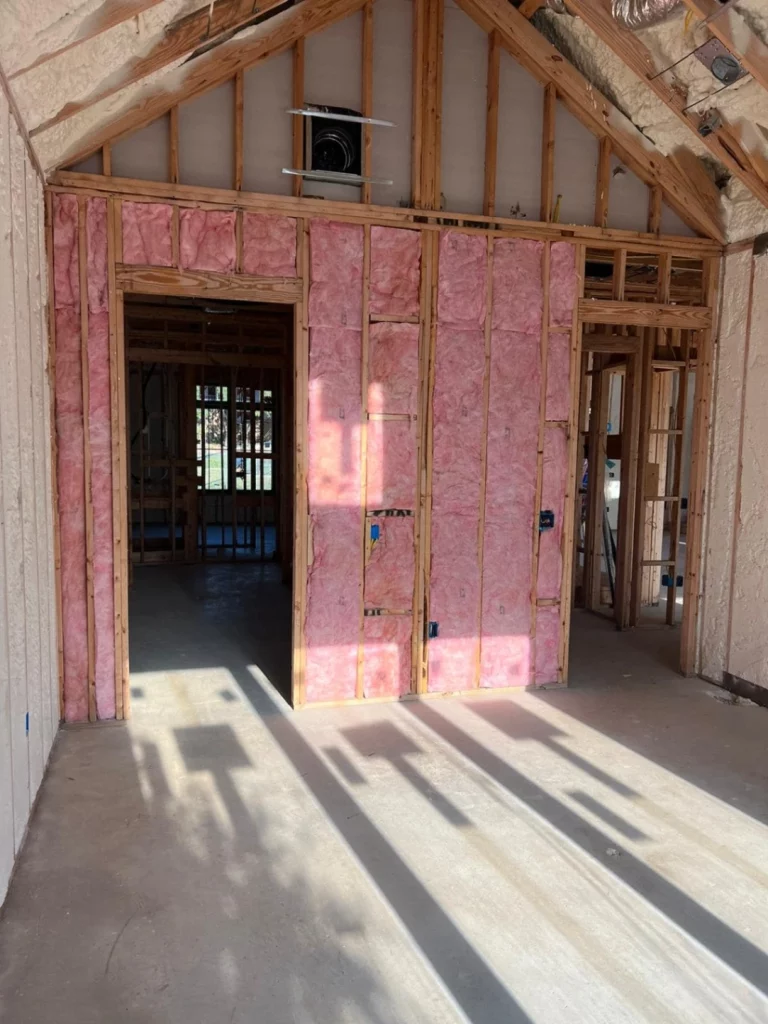
Building a home addition requires a strategic approach to thermal management to ensure the new space remains usable year-round. Fiberglass insulation solution provides a reliable, cost-effective solution for these projects by creating a dense thermal barrier that restricts heat transfer through walls, floors, and ceilings. This material consists of excellent glass fibers that trap pockets of air, slowing the transfer of temperature between the interior of the addition and the outdoor environment.
Selecting the proper insulation for an extension helps maintain consistent temperatures throughout the entire property without overworking the existing heating and cooling systems. Fiberglass remains a preferred choice for residential additions because it fits standard wall cavities perfectly and meets modern building codes for fire safety and thermal performance. This guide explains how to use fiberglass to maximize comfort and efficiency in new living spaces. H & R Spray Foam Insulation recognizes that proper material selection is the foundation of a long-lasting home extension.
The effectiveness of insulation is measured by its R-value, which indicates how well a material resists the flow of heat. Higher R-values signify better insulating power. For additions, the required R-value often depends on local climate zones and the specific part of the structure being insulated. Exterior walls generally require different specifications than attics or crawlspaces.
According to technical data from the Department of Energy, the required R-value for walls in most regions typically ranges from R-13 to R-21. In colder climates, thicker batts or high-density fiberglass options are necessary to prevent heat loss during the winter months. Using the correct thickness prevents the material from compressing. Compression is a common mistake that reduces insulation effectiveness by squeezing out the air pockets that provide thermal resistance.
Properly insulating an addition can lead to significant long-term savings. Figures published by ENERGY STAR indicate that homeowners can save an average of 15% on heating and cooling costs by air-sealing and insulating attics and crawl spaces. When adding a new room, matching or exceeding these standards prevents the new area from becoming a drain on the home’s total energy budget.
Moisture management is a significant factor when extending a home. Fiberglass batts often come with a kraft paper facing that acts as a vapor retarder. This paper layer helps control the movement of water vapor through the wall cavity, which prevents condensation from forming on the wooden studs or the back of the drywall.
In most climates, the paper facing should point toward the heated side of the room. This orientation stops humid indoor air from reaching the cold exterior sheathing, where it could turn into liquid water. Excessive moisture inside a wall can lead to wood rot and create an environment where mold can grow. Selecting faced fiberglass simplifies the installation process for additions because it provides both insulation and moisture control in a single product.
Bonus Tip: When installing faced insulation, avoid gaps at the top and bottom of the wall. Stapling the flanges of the kraft paper to the face or side of the studs creates a more continuous vapor barrier and keeps the batts from sagging over time.
Additions are frequently used as home offices, bedrooms, or media rooms where sound control is a priority. Fiberglass is naturally effective at dampening sound due to its porous structure. The glass fibers break up sound waves as they travel through the wall, reducing the amount of noise that passes from the new addition into the rest of the house.
To achieve better acoustic results, property owners can use sound attenuation batts. These are specifically designed fiberglass products that offer superior noise reduction compared to standard thermal batts. Installing these in the interior walls that connect the addition to the original structure helps maintain privacy and quiet in both areas.
The following table outlines standard fiberglass sizes and their typical uses in residential construction.
| Cavity Type | Nominal Thickness | R-Value | Common Application |
|---|---|---|---|
| 2×4 Wall | 3.5 inches | R-13 to R-15 | Standard exterior or interior walls |
| 2×6 Wall | 5.5 inches | R-19 to R-21 | High-efficiency exterior walls |
| Floor/Crawlspace | 6.25 to 9.5 inches | R-19 to R-30 | Underfloor insulation over unheated spaces |
| Attic/Ceiling | 10.25 to 14 inches | R-30 to R-49 | Main overhead thermal barrier |

Before purchasing materials for an addition, several variables must be assessed to ensure the insulation performs as intended.
The depth of the wall studs determines which fiberglass product is appropriate. Standard 2×4 framing typically accepts R-13 or R-15 batts. If the addition uses 2×6 framing, R-19 or R-21 batt insulation is standard. Using a batt that is too thick for the cavity results in compression, while a batt that is too thin leaves an air gap that allows convection currents to bypass the insulation.
Building codes vary significantly based on geography. A report from the International Code Council outlines specific energy conservation codes that must be met for new construction and additions. Checking local requirements ensures the project passes inspection and provides sufficient warmth or cooling for the specific region.
Fiberglass blocks heat transfer but do not stop airflow. Before the insulation is placed in the walls of an addition, all penetrations for wires, pipes, and vents should be sealed with foam or caulk. This prevents “wind washing,” in which cold air blows through the fiberglass, reducing its thermal efficiency.
Bonus Tip: When working with fiberglass, wear long sleeves, gloves, and a mask. The small glass fibers can cause temporary skin irritation or respiratory discomfort if handled without protection.
Successfully extending a comfort zone into a new addition depends on a thorough understanding of thermal boundaries. Fiberglass insulation offers a versatile, fire-resistant, and acoustically beneficial option that fits most residential budgets. By selecting the correct R-value, ensuring a snug fit without compression, and addressing air sealing before insulation installation, property owners can ensure their new space remains efficient and comfortable. Always verify local building codes and consider the region’s specific climate needs before finalizing the insulation plan.
Ensuring an addition is insulated correctly requires attention to detail and a clear understanding of building science. H & R Spray Foam Insulation assists property owners in identifying the best thermal solutions for their specific construction needs. For professional guidance or to discuss technical requirements for an upcoming project, contact the team at [email protected] or call (979) 325-2419. Accurate insulation placement is the most effective way to protect the long-term value and comfort of any home extension.
Fiberglass does not provide a food source for insects or rodents. While pests might occasionally try to nest in any soft material, fiberglass is less attractive than organic materials. Keeping the exterior of the addition sealed is the most effective way to prevent pest issues.
Yes, but it requires careful attention to ventilation. If an addition has a vaulted or cathedral ceiling, there must be a gap between the top of the insulation and the roof sheathing to allow air to flow from the soffit vents to the ridge vent. Special baffles can be installed to maintain this air space.
Batts are generally easier to install in new additions because the cavities are open and accessible. Loose-fill fiberglass is often better for attic spaces in addition because it can be blown in to create a seamless blanket over the ceiling joists, covering any small gaps.
Fiberglass is moisture-resistant and does not absorb water. However, if it becomes soaked by a roof leak or plumbing failure, the water can fill the air pockets, temporarily compromising its insulating properties. If the insulation stays wet for an extended period, it should be replaced to prevent mold from growing on the surrounding paper or wood.