
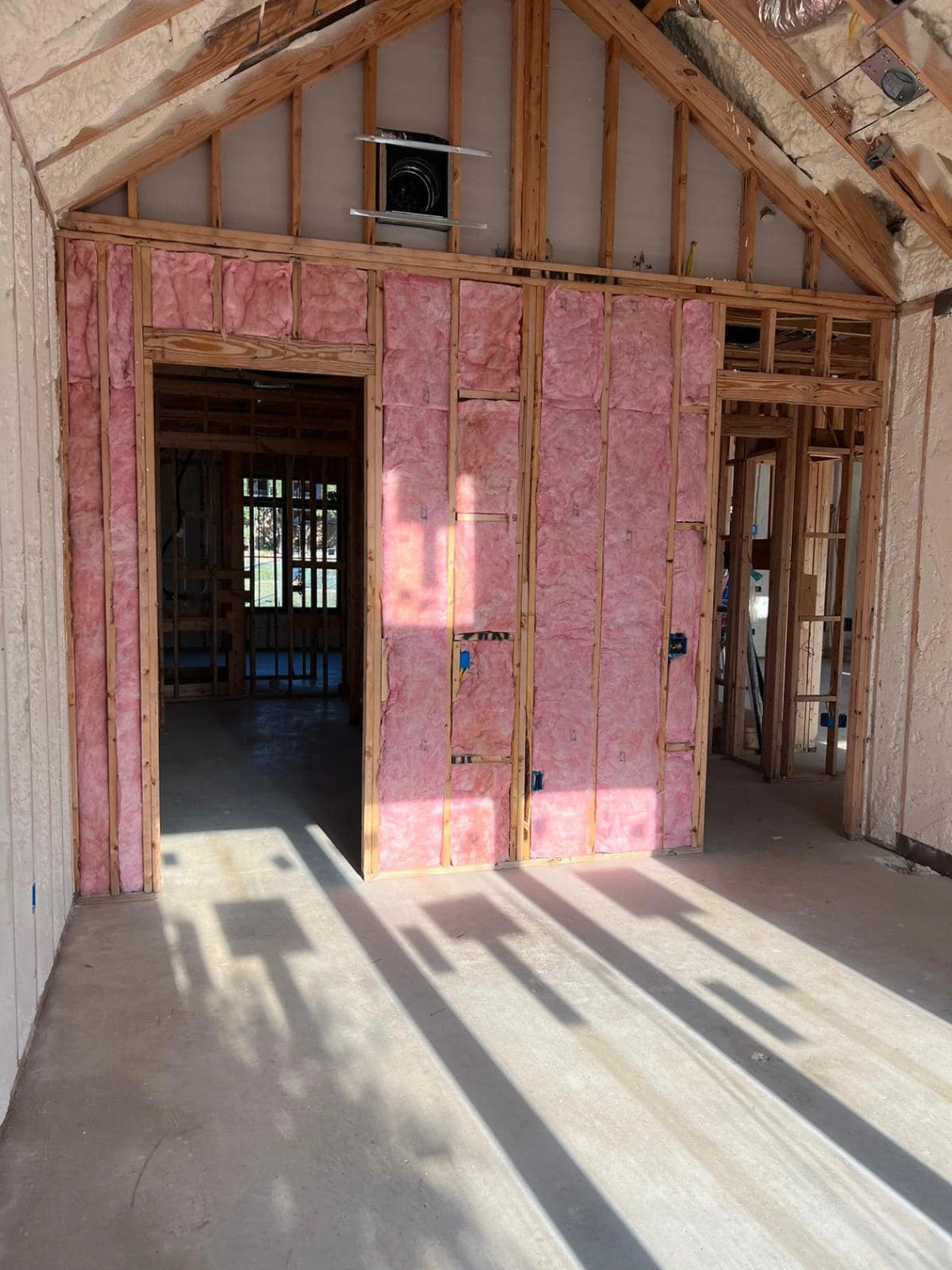
Controlling your property’s climate is a constant balancing act. In the summer, you fight to keep the cool air in, and in the winter, you work just as hard to keep the heat from escaping. This battle is often won or lost in your walls and attic, and the material you choose to insulate these spaces can have a huge impact on your comfort and your energy bills. For decades, one of the most reliable and widely used materials for this job has been fiberglass insulation. It’s the familiar pink or yellow fluffy material you’ve likely seen in home improvement stores or during construction projects.
But what exactly is it? How does it work? And how do you know if it’s the right choice for your home or building? Getting straight answers can be difficult. The world of insulation is filled with technical jargon like R-values, vapor barriers, and air sealing that can leave anyone feeling confused. This guide draws from years of hands-on experience in the field to walk you through everything you need to know about fiberglass insulation.
Here, you’ll learn the fundamentals, from how it’s made to the science behind how it keeps your home comfortable. We’ll explore the different types available, break down the meaning of R-value, and discuss the practical steps of installation. By the time you’re finished, you’ll have a clear understanding of fiberglass insulation’s strengths, its proper applications, and how to make an informed decision for your property.
At its most basic, fiberglass insulation is a material made from extremely fine fibers of glass. It looks and feels like cotton candy, but it’s engineered for a much more practical purpose: slowing the transfer of heat.
The manufacturing process is surprisingly straightforward. It begins with melting sand and recycled glass at very high temperatures, around 2,500 degrees Fahrenheit. The molten liquid is then spun at high speeds to create tiny, super-thin glass fibers. These fibers are collected and mixed with a binder to hold them together, forming the familiar wool-like texture. This mass of fibers is then cured in an oven and cut into rolls, batts, or chopped into loose-fill particles.
The color of fiberglass, commonly pink or yellow, doesn’t come from the glass itself. Dyes are added during manufacturing for branding purposes, but they have no effect on the insulation’s performance.
The real magic of fiberglass isn’t the glass itself, but the air it traps. The millions of tiny air pockets created by the jumble of glass fibers are what do the insulating. Heat moves in three ways: conduction (through materials), convection (through air movement), and radiation (through electromagnetic waves). Fiberglass insulation primarily works by disrupting convection. The trapped air pockets prevent air from circulating, which makes it very difficult for heat to move from a warmer space to a cooler one.
Think of it like wearing a wool sweater on a cold day. The wool fibers themselves aren’t generating heat, but they trap a layer of your body heat close to your skin, preventing it from escaping into the cold air. Fiberglass works on the same principle for your entire house.
Fiberglass has remained popular for so long for several good reasons:
These combined factors make it a durable and practical choice for insulating most properties.
You can’t talk about insulation without talking about R-value. It’s the single most important metric for understanding how well any insulation product will perform.
R-value measures an insulation material’s resistance to heat flow. The “R” literally stands for resistance. A higher R-value means greater insulating power. An uninsulated wall might have an R-value of 1 or 2, while a well-insulated attic could have an R-value of 49 or higher.
It’s important to know that R-value is cumulative. If you have an existing layer of R-19 insulation in your attic and you add another layer of R-30 on top, you now have a total R-value of R-49. This is a common practice for improving a home’s energy efficiency.
For fiberglass insulation, the R-value is determined by two main things:
The amount of insulation you need depends heavily on where you live. The climate dictates how much work your insulation has to do. The U.S. Department of Energy provides recommendations based on different climate zones across the country.
| Climate Zone | Recommended Attic R-Value | Recommended Wall R-Value | Recommended Floor R-Value |
|---|---|---|---|
| Zone 1 (South Florida) | R-30 to R-49 | R-13 to R-15 | R-13 |
| Zones 2-3 (Southeast) | R-30 to R-60 | R-13 to R-15 | R-13 to R-25 |
| Zone 4 (Mid-Atlantic) | R-38 to R-60 | R-13 to R-15 | R-25 to R-30 |
| Zones 5-8 (North/Mountains) | R-49 to R-60 | R-13 to R-21 | R-25 to R-30 |
Source: Based on recommendations from the U.S. Department of Energy.
Key Takeaways: Understanding R-Value
Fiberglass is available in several forms, each designed for different parts of a building.
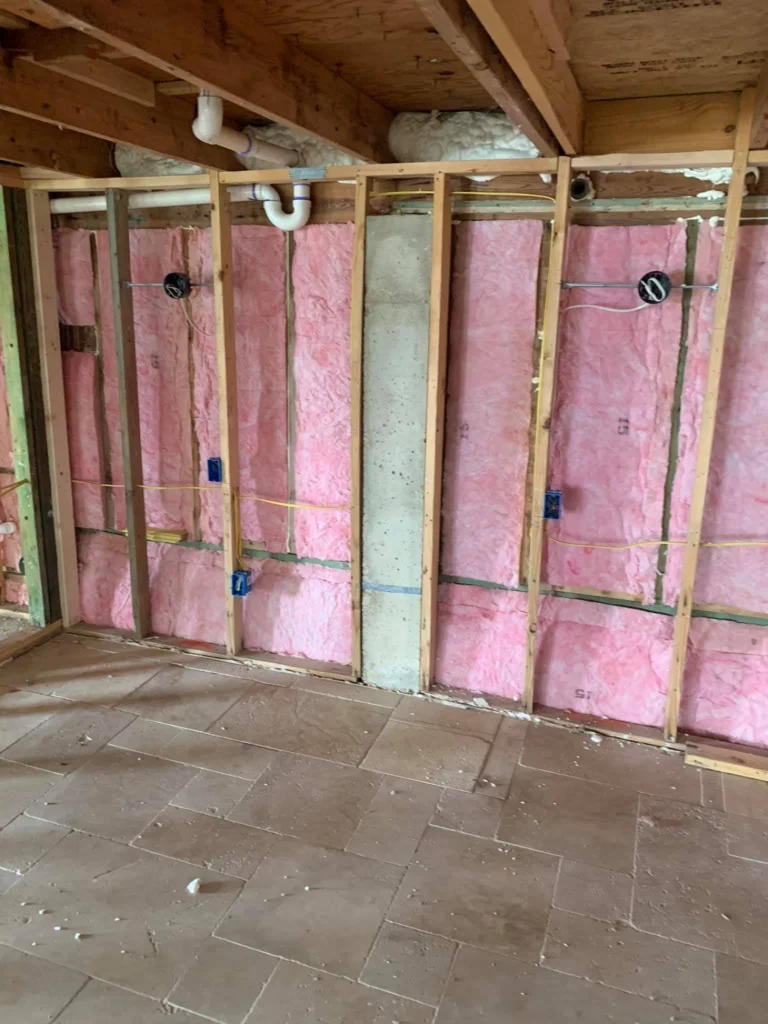
This is the most common type of fiberglass insulation. Batts are pre-cut rectangular pieces, typically designed to fit snugly between standard stud and joist spacing (16 inches or 24 inches). Rolls are just long, continuous versions of batts.
Blown-in fiberglass consists of loose fibers that are installed using a special blowing machine. A professional technician feeds the material into a hopper, and a long, flexible hose blows it into place.
While less common for whole-home insulation, fiberglass is also available in rigid board form. These boards are much denser and offer a higher R-value per inch than batts or blown-in insulation.
Expert Tip: No matter which type of insulation you use, its performance is only as good as its installation. Gaps, voids, and compression can seriously reduce the stated R-value. A 5% gap in insulation coverage can lead to a 50% loss in thermal performance in that area.
Installing fiberglass insulation can range from a straightforward weekend project to a job that absolutely requires a professional. The approach you take depends on the type of insulation and the complexity of the space.
Handling fiberglass is safe, but it can be irritating. The tiny glass fibers can cause itching on the skin and can irritate the eyes and respiratory system if inhaled. Always use proper personal protective equipment (PPE):
For a DIYer, installing fiberglass batts in an open wall cavity or attic is a manageable task.
For blown-in insulation or more complicated projects, hiring a professional is the best course of action. A professional insulation company has the specialized equipment and experience to do the job correctly and efficiently. Professionals can ensure the loose-fill is installed at the correct density to achieve the target R-value and prevent settling. They are also skilled at navigating tight spaces and ensuring a complete, gap-free application.
Expert Tip: Before you add a single piece of insulation, you should always air seal the area. Use caulk or expanding foam to seal any cracks, gaps, or holes around wiring, plumbing, and framing. Insulation slows heat flow, but it doesn’t stop air leaks. A well-sealed and well-insulated house is the ultimate goal.
There’s a lot of information out there about insulation, and it’s not always accurate. Let’s address some common questions about the safety of fiberglass.
As mentioned, the primary issue with fiberglass is mechanical irritation. It’s abrasive, not toxic. After working with it, rinse your hands and arms in cold water first to close your pores and wash the fibers off, then use warm water and soap.
In the past, there were concerns about the potential health risks of inhaling fiberglass fibers. However, modern fiberglass insulation is made differently. According to the International Agency for Research on Cancer (IARC), the type of glass wool fibers used today in home and building insulation is not classifiable as carcinogenic to humans. The fibers are designed to be biosoluble, meaning they dissolve in the lungs over time if inhaled and don’t persist in the body.
Fiberglass insulation is inherently non-combustible. It won’t ignite and can help slow the spread of a fire. However, the paper or foil facing on some batts is flammable and should not be left exposed. It must be covered with drywall or another approved fire barrier.
Regarding moisture, fiberglass itself does not support mold growth because it is inorganic. But, if it gets wet, the moisture can be trapped, and the surrounding wood or drywall can become a breeding ground for mold. It’s important to fix any leaks that cause insulation to get wet. The insulation must then be allowed to dry completely to restore its R-value. If it’s heavily soiled or matted, it should be replaced.
Insulating your property is an investment, but it’s one that typically pays for itself over time through lower energy bills. The cost of a project can vary widely based on several factors.
The final price tag is influenced by the following:
Upgrading your insulation, particularly in the attic, can have a big impact on your heating and cooling costs. The U.S. Environmental Protection Agency’s ENERGY STAR program states that homeowners can save an average of 15% on heating and cooling costs by air sealing their homes and adding insulation in attics, floors, and crawl spaces.
For a typical home, this can translate into hundreds of dollars in savings each year. The return on investment for an insulation project is often one of the best among all home improvement projects.
Expert Tip: Before starting an insulation project, check for local utility rebates or federal tax credits. Many programs offer financial incentives for homeowners who make energy-efficiency upgrades, which can significantly reduce the net cost of the project.
Fiberglass is an excellent choice for many applications, but it’s not the only option. Here’s a quick look at how it compares to other common insulation materials.
| Insulation Type | Primary Material | Common Forms | Key Advantages | Key Disadvantages |
|---|---|---|---|---|
| Fiberglass | Spun glass fibers | Batts, Blown-In | Low cost, non-combustible, moisture resistant, easy DIY for batts. | Can be an irritant, can lose R-value if compressed, doesn’t stop air leaks. |
| Spray Foam | Polyurethane | Sprayed Liquid | Excellent air sealant, high R-value per inch, adds structural rigidity. | Higher cost, requires professional installation, potential for off-gassing. [Link to: The Pros and Cons of Spray Foam Insulation] |
| Cellulose | Recycled paper | Blown-In | Environmentally friendly (high recycled content), good sound deadening. | Can settle over time, susceptible to moisture if not treated, dusty installation. [Link to: Is Cellulose Insulation a Good Choice?] |
| Mineral Wool | Rock or slag fibers | Batts, Boards | Superior fire resistance, excellent soundproofing, high R-value. | More expensive than fiberglass, can be harder to find, heavier. |
The best material for your project depends on your budget, the application, and your performance goals. In many cases, a hybrid approach using different materials in different parts of the house can be effective.
The insulation industry continues to evolve, driven by a demand for greater energy efficiency and more sustainable building practices. A 2023 market analysis from Grand View Research projects steady growth in the fiberglass insulation market, spurred by stricter building codes and increasing consumer awareness of energy costs.
Innovations are focused on creating products with higher R-values without increasing the thickness, making them more effective in space-constrained applications. Manufacturers are also increasing the amount of recycled content in their products and developing new, more environmentally friendly binders. The future will likely see “smart” insulation systems that can adapt to changing conditions and provide even better performance.
You now have a solid understanding of what fiberglass insulation is, how it works, and how to choose the right product for your needs. From the importance of R-value and air sealing to the differences between batts and blown-in forms, you’re equipped to make a smart decision for improving your property’s comfort and energy efficiency.
Whether you’re planning a DIY project for an open wall or considering a professional upgrade for your entire attic, the principles remain the same: choose the right R-value for your climate, install it correctly without gaps or compression, and always prioritize safety. A well-insulated home is more comfortable, quieter, and less expensive to heat and cool. Using this guide as your reference, you can confidently move forward with your next insulation project.
While this guide covers a lot, every property is unique. If you have specific questions or are facing a complex insulation challenge, professional advice can make all the difference. For a detailed consultation and to ensure your spray foam insulation project is done right, feel free to contact the experienced team at H & R Spray Foam Insulation. You can reach us by phone at (979) 325-2419 or by email at [email protected] to discuss your project.
When installed correctly in a space that remains dry and undisturbed, fiberglass insulation can last 80 to 100 years or even for the entire lifespan of the building. Its performance doesn’t degrade over time unless it is damaged, compressed, or exposed to moisture.
Yes, in most cases. If your existing attic insulation is in good condition (not wet, moldy, or heavily compressed), you can add new insulation directly on top of it. This is a very common and effective way to increase your attic’s total R-value. Just be sure not to cover any attic vents.
Fiberglass itself does not absorb water, but the water will fill the air pockets that give it its insulating power. A wet fiberglass batt has a significantly reduced R-value. Once it dries out completely, it should regain most of its original performance. However, if the water was dirty or if the insulation remains damp for a long time, it can lead to mold growth on surrounding materials and should be replaced.
No. Fiberglass is made of inorganic glass fibers, so it provides no nutritional value for insects, rodents, or other pests. It does not attract them, though they may tunnel through it or nest in it if they find their way into your walls or attic for other reasons.
While not truly “soundproof,” fiberglass is an excellent sound absorber. It significantly reduces the transmission of sound through walls and floors. Denser fiberglass batts designed for interior walls are very effective at dampening noise between rooms, making for a quieter home.
It depends on your climate. A vapor barrier (or vapor retarder) is used to prevent moisture from inside the home from getting into the wall cavity and condensing. In cold climates, a vapor barrier is typically required on the warm-in-winter side of the wall (the interior side). In hot, humid climates, the opposite may be true. Always check your local building codes for specific requirements.

 EN
EN