 ES
ES 
Energy-Saving Tips: Boosting Efficiency with Fiberglass Insulation
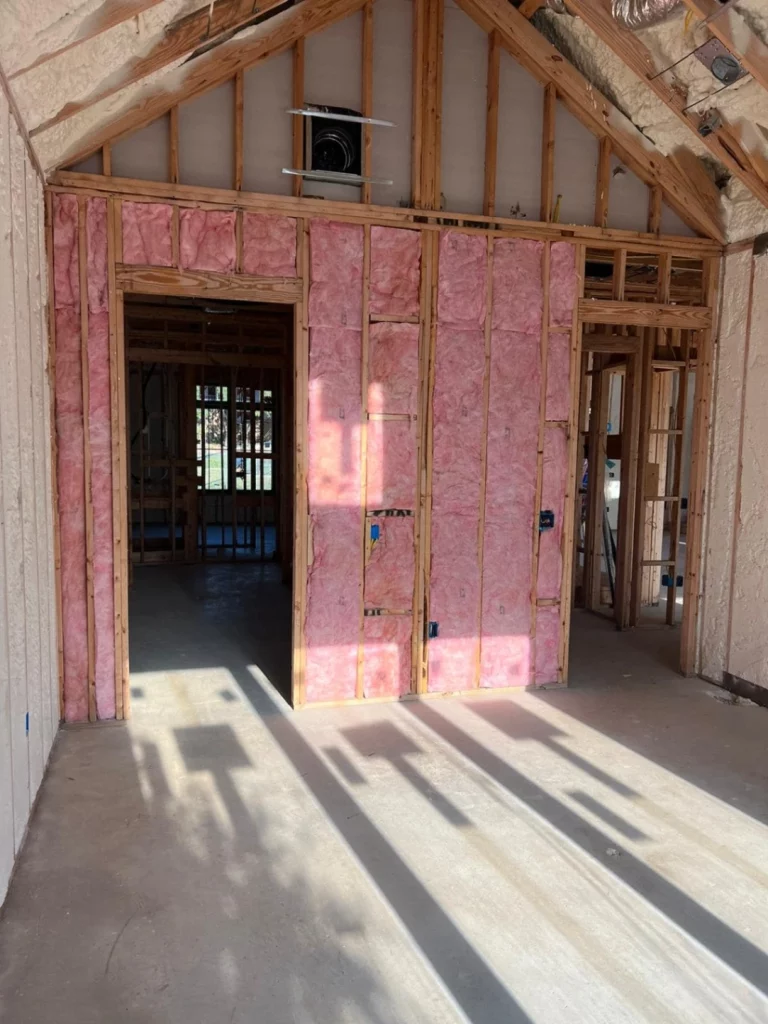
Fiberglass insulation services improve home energy efficiency by creating a thermal barrier that slows the movement of heat. During cold…

Fiberglass insulation services improve home energy efficiency by creating a thermal barrier that slows the movement of heat. During cold months, it keeps the living space warm. In the summer, it prevents outdoor heat from entering the home. This thermal resistance helps heating and cooling systems run less frequently, directly reducing monthly utility costs. According to data from the U.S. Department of Energy, heating and cooling account for nearly 50% of energy use in a typical U.S. home, making effective insulation a primary factor in managing energy consumption.
Achieving maximum efficiency requires selecting the correct R-value for a specific climate and ensuring the installation remains free of gaps or compression. H & R Spray Foam Insulation provides these guidelines based on extensive field experience in building envelope performance and thermal management. This information helps property owners understand how to optimize their insulation strategy for long-term savings and comfort.
Insulation effectiveness is measured by its R-value. A higher R-value indicates better thermal resistance. Fiberglass achieves this resistance by trapping small pockets of air within a dense mat of fine glass fibers. These air pockets slow the flow of conductive heat, which is the process by which heat moves through solid materials.
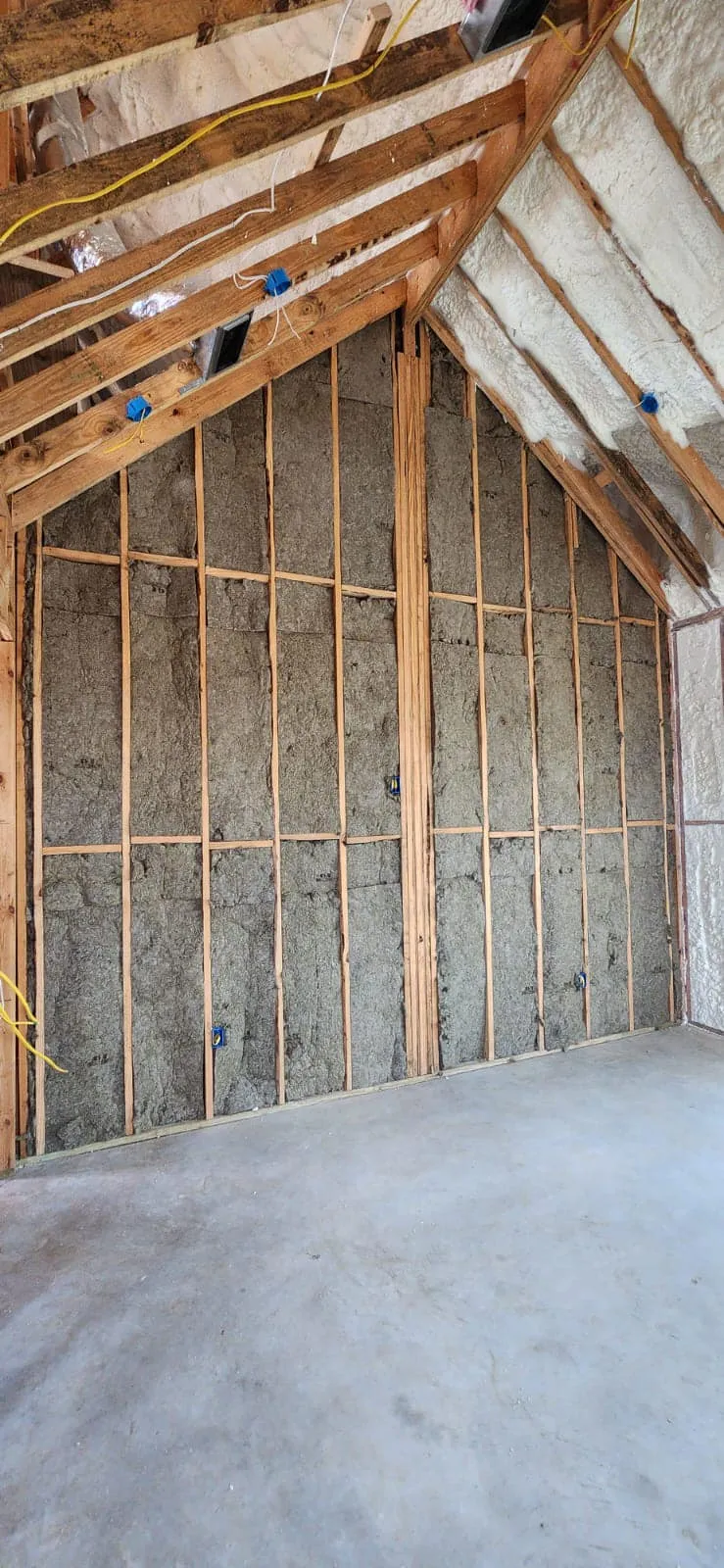
Standard fiberglass comes in two primary forms: pre-cut batts and loose-fill blown-in material. Batts work well in standard wall cavities and between attic joists with consistent spacing. Blown-in fiberglass is better for irregular spaces or adding layers over existing insulation. A report from Energy Star indicates that homeowners can save about 15% on heating and cooling costs by air sealing their homes and adding insulation in attics and crawl spaces.
Before installing fiberglass batts in an attic, use a spray sealant to seal small holes around plumbing pipes, electrical wires, and light fixtures. Fiberglass stops heat flow but does not stop air leaks. Sealing these gaps first prevents “thermal bypass,” where conditioned air escapes through the insulation.
Different fiberglass products offer varying levels of thermal resistance per inch of thickness. Choosing the right one depends on the available space and the target R-value for the region.
| Insulation Type | R-Value per Inch | Best Application | Characteristics |
|---|---|---|---|
| Standard Fiberglass Batts | 2.9 to 3.8 | Standard walls and floors | Pre-cut to fit common stud widths |
| High-Density Batts | 3.7 to 4.3 | Vaulted ceilings or thin walls | Higher R-value in a thinner profile |
| Blown-In Fiberglass | 2.2 to 2.9 | Attics and irregular cavities | Fills gaps and wraps around obstructions |
According to the North American Insulation Manufacturers Association (NAIMA), roughly 90% of single-family homes in the United States are under-insulated. Increasing insulation depth to meet current building codes is often the fastest way to improve a home’s energy profile.
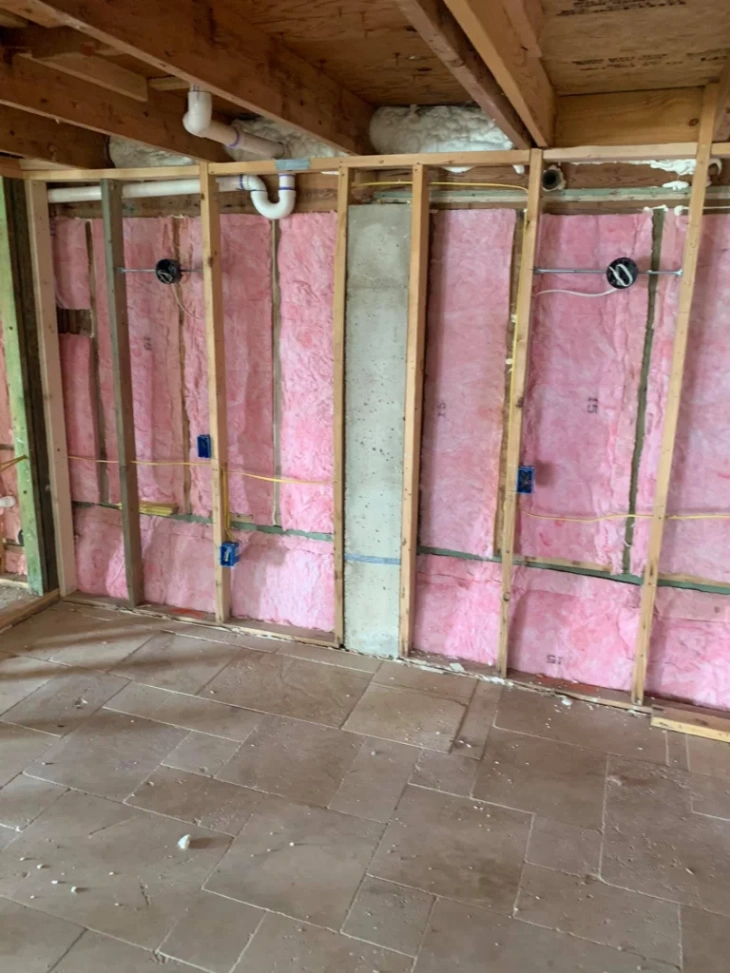
Energy loss occurs more frequently in specific areas of the home than in others. Focus on these zones to see the most significant impact on utility bills.
Attics are the most common source of heat loss. In many older homes, the insulation is level with or below the floor joists. To maximize efficiency, the insulation should fully cover the joists. Adding a second layer of unfaced fiberglass batts perpendicular to the first layer helps eliminate thermal bridging, which is when heat travels through the wooden joists themselves.
Walls are more rigid to upgrade after a home is built, but blown-in options can be added through small holes. For basements and crawl spaces, insulating the rim joists and the underside of the floor above helps maintain a consistent temperature on the first floor. This prevents the “cold floor” feeling often experienced in winter.
When adding a second layer of fiberglass batts over existing insulation, always use “unfaced” batts. Faced batts have a paper or foil moisture barrier. If a second barrier is placed on top of the first, it can trap moisture between the layers, leading to mold or rot in the wooden structure.
Efficiency depends entirely on the quality of insulation installation. Even high-quality fiberglass loses effectiveness if it is not handled correctly.
Before purchasing materials or starting a project, evaluate these factors to ensure the best results.
Boosting efficiency through fiberglass insulation is a direct way to lower energy costs and improve indoor comfort. By selecting the appropriate R-value and focusing on high-loss areas like the attic, homeowners can create a more stable thermal environment. Proper installation, specifically avoiding compression and ensuring a tight fit, is necessary to achieve the material’s full potential. Property owners should assess their regional climate requirements and address any existing moisture or air leak issues before starting the process. These steps lead to a more sustainable and cost-effective home.
H & R Spray Foam Insulation provides professional guidance for those looking to improve their home’s thermal performance. For questions regarding insulation types or installation standards, reach out via email at [email protected] or call (979) 325-2419. H & R Spray Foam Insulation helps property owners make informed decisions about building efficiency and long-term energy savings.
Yes, fiberglass helps with sound dampening. While its primary job is thermal resistance, the dense fibers also absorb sound waves. Installing it in interior walls can reduce noise transfer between bedrooms or bathrooms.
Yes, as long as the old insulation is dry and mold-free. Adding new fiberglass over existing insulation is a cost-effective way to increase the attic’s total R-value.
Faced insulation has a kraft paper backing that acts as a vapor retarder. This helps manage moisture movement through walls. Unfaced insulation consists solely of glass fibers and is typically used when adding layers to existing insulation or for soundproofing interior walls.
Fiberglass is naturally non-combustible because it is made of sand and recycled glass. However, the Kraft paper facing some batts is flammable. Care must be taken to keep face-mounted insulation away from high-heat sources, such as recessed light canisters or chimney flues.